If you’ve noticed a white, chalky residue on your basement walls or floor, you are likely dealing with efflorescence. Many homeowners across Columbus and Central Ohio see this issue, especially after heavy rain or snowmelt. Efflorescence is not a health hazard, but it is a warning sign of moisture seeping in. At US Basement Repair, we specialize in Columbus basement waterproofing to help you avoid this unsightly residue and other concerns posed by uncontrolled moisture, including costly foundation repair and toxic mold.
What Is Efflorescence?
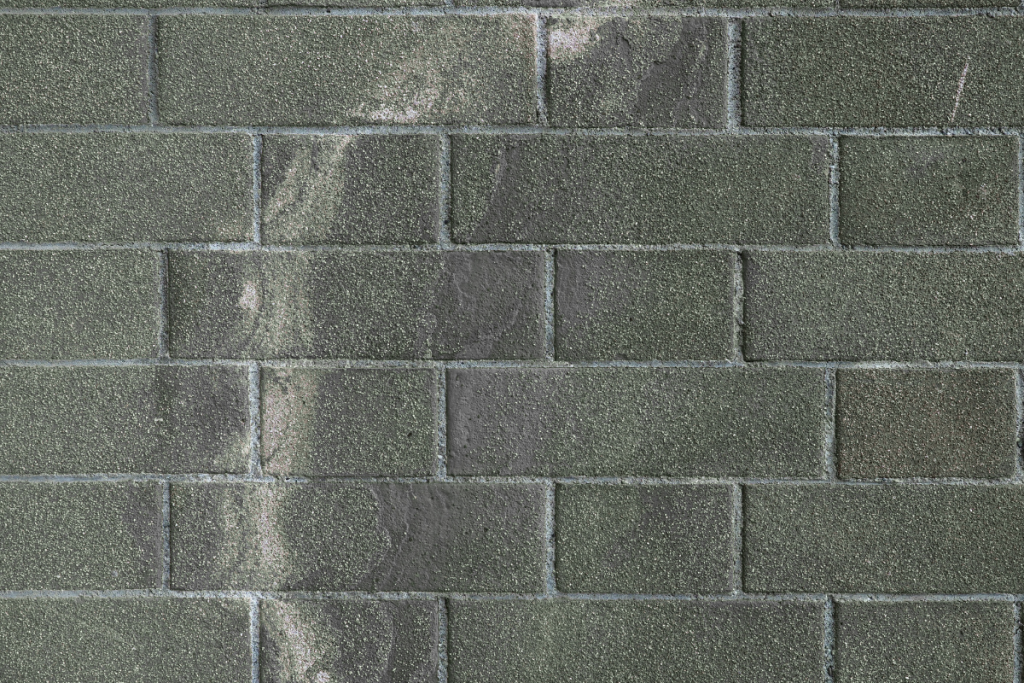
Efflorescence is a powdery white or light gray mineral deposit that forms on concrete, block, brick, and mortar surfaces. It’s made up of natural salts that exist inside masonry materials.
When moisture moves through your foundation walls or floor, it dissolves those salts. As the water reaches the surface and evaporates, the salts are left behind. This creates the dusty or crusty appearance known as efflorescence.
Efflorescence itself is not toxic, harmful, or dangerous, but it is a clear sign that moisture is passing through your basement.
What Causes Efflorescence in Columbus Basements?
Central Ohio’s climate plays a major role in basement moisture issues. Efflorescence often appears due to:
- Heavy rainfall and snowmelt common in the Columbus area
- Clay-rich soil that holds moisture against foundation walls
- Hydrostatic pressure pushing water through concrete
- Poor exterior grading or clogged downspouts
- Cracks in foundation walls or floors
- Porous concrete block walls
- High basement humidity
Even if your basement isn’t actively leaking, moisture can still move through the foundation, bringing salts with it.
Where Does Efflorescence Commonly Appear?
Efflorescence usually shows up where moisture is most likely to enter or escape, including:
- Concrete block basement walls
- Poured concrete foundation walls
- Basement floors, especially near the wall-to-floor joint
- Foundation cracks or cold joints
- Around basement windows or window wells.
Should You Remove Efflorescence?
Removing efflorescence is mostly a cosmetic decision, but it can help you monitor moisture activity in your basement.
However, cleaning the residue alone does not solve the underlying problem. If moisture continues to move through the foundation, efflorescence will return.
Persistent or widespread efflorescence is often an early warning sign that waterproofing may be needed.
How to Remove Efflorescence Safely
For light efflorescence:
- Use a stiff nylon brush to dry-brush the surface
- Sweep or vacuum the residue
- Wipe lightly with a damp cloth if needed
For heavier buildup:
- Apply a masonry cleaner or diluted vinegar solution (50% vinegar) or make a paste with equal parts vinegar and baking soda
- Scrub gently after letting your chosen solution sit for about thirty minutes
- Rinse sparingly and allow the area to dry fully
- Avoid pressure washing or using excessive water, as this can drive moisture deeper into the foundation and make the issue worse.
Efflorescence vs. White Mold: How to Tell the Difference
This is one of the most common concerns we hear from Columbus homeowners. The two substances can have a similar appearance, but there are usually a few telltale differences.
Efflorescence:
- Powdery or crystalline texture
- White or light gray color
- Crumbles easily when touched
- Dissolves in water
- Appears only on masonry surfaces
- No odor
White Mold:
- Fuzzy, slimy, or patchy appearance
- May appear white, gray, or slightly green
- Smears rather than crumbles
- Does not dissolve easily in water
- Can grow on wood, drywall, or organic materials as opposed to masonry
- Often has a musty smell
Quick test: Spray a small amount of water on the area. If it dissolves, it’s likely efflorescence. If it stays intact or smears, mold may be present. We do recommend consulting with a waterproofing specialist in either case, however, just to be certain and for proper mitigation.
Does Basement Waterproofing Prevent Efflorescence and Mold?
Yes, professional basement waterproofing helps prevent both efflorescence and mold by controlling moisture at its source. By reducing moisture movement and humidity, waterproofing limits salt migration that causes efflorescence and creates an environment where mold struggles to grow. It also helps protect your foundation and indoor air quality.
At US Basement Repair, waterproofing solutions may include:
- Interior drainage systems
- Sump pump installation
- Foundation crack repair
- Basement wall sealing
- Exterior drainage corrections
- Dehumidification solutions
Trust a Local Columbus Basement Waterproofing Expert
Efflorescence may not be dangerous, but it’s your basement’s way of telling you that moisture is present. Ignoring it can lead to mold growth, foundation damage, and costly repairs over time. If you’re seeing white residue, damp walls, or musty odors in your basement, US Basement Repair is here to help. As a trusted Columbus, Ohio basement waterproofing company, we understand the unique soil and weather conditions that impact Central Ohio homes. Contact US Basement Repair today for a professional inspection and customized waterproofing solution and enjoy a drier, healthier basement year-round.