Water seeping through basement walls is one of the most common (and frustrating) problems to have. What starts as a small damp spot can quickly turn into mold growth, structural damage, and expensive repairs. If you’re noticing moisture, staining, or actual water intrusion, it is very important to address the issue quickly and correctly. At US Basement Repair, we help homeowners permanently solve basement water problems, not just temporarily patch them. Here’s what causes water to seep through basement walls and how to stop it for good.
Why Causes Water Seeping Through Basement Walls?
Before you can fix the problem, you need to understand why it’s happening. Water intrusion usually comes down to hydrostatic pressure. When soil around your home becomes saturated, especially after heavy rain, water builds up in the ground. That water pushes against your foundation walls. Over time, the pressure forces moisture through foundation walls.
How to Stop Water Seeping Through Basement Walls
Unfortunately, there is no one-size-fits-all fix. The right solution depends on the source of the water and the severity of the problem. Some of the ways our Ohio basement waterproofing company addresses seepage through walls include:
Repairing Foundation Cracks
If water is coming through visible cracks, those cracks need to be professionally sealed. Common repair methods usually include polyurethane injections. Proper injection repair seals the crack from the inside and prevents water from re-entering. The foam lasts many, many years, so you don’t have to worry about a recurrence.
Improving Exterior Drainage
Many basement water problems start outside. If water isn’t draining away from your home properly, it will collect around the foundation. We may recommend extending downspouts, cleaning gutters, correcting negative yard grading, or installing a new exterior drainage system.
Installing an Interior Drainage System
If water intrusion is ongoing or widespread, an interior drainage system may be the most reliable solution. We almost always recommend a sump pump in areas with high precipitation. If you have one installed, we can take a look at it and make sure it is operating optimally. We may also recommend a perimeter drain tile system or channel along the basement wall.
These systems collect water that gets through your basement walls and pump it safely out and away from the home.
Waterproofing Basement Walls
Of course, if water is getting in through the walls, they should be waterproofed inside and out. We use a few methods to achieve this, including installing a water vapor barrier (if defective or not already present) and applying exterior waterproof coatings. This step is rarely done on its own in the event of pervasive moisture, as it is not a long-term fix. Permanent solutions will usually involve a combination of wall water proofing and overall drainage improvement to prevent it from happening again.
How Do I Know Water Seeping Through Basement Walls Is A Drainage Issue?
If you only notice water in your basement after a heavy storm, that’s a major clue. In these cases, the problem isn’t plumbing but usually stormwater management. When water intrusion happens specifically after rain, it often indicates saturated soil (increasing that hydrostatic pressure, clogged downspouts, or inadequate drainage. In addition to wet basement walls, you may also notice pooling of water in your yard after a storm.
Subtler Signs You Shouldn’t Ignore
Water seeping through basement walls is an obvious enough clue that there is a problem. But it is ideal if you can spot subtler signs of water intrusion before it gets to that point. Water intrusion rarely resolves on its own. It usually gets worse over time. Even minor moisture issues can signal a larger problem. Keep an eye out for earlier signs of drainage/foundation issues, including:
- Musty Odors
A persistent, damp smell, especially in basements or lower levels, almost always means moisture. Even if you don’t see water, that musty odor can indicate mold or mildew growing behind walls, under flooring, or in insulation. And mold only grows where there’s moisture. - Peeling or Flaking Paint
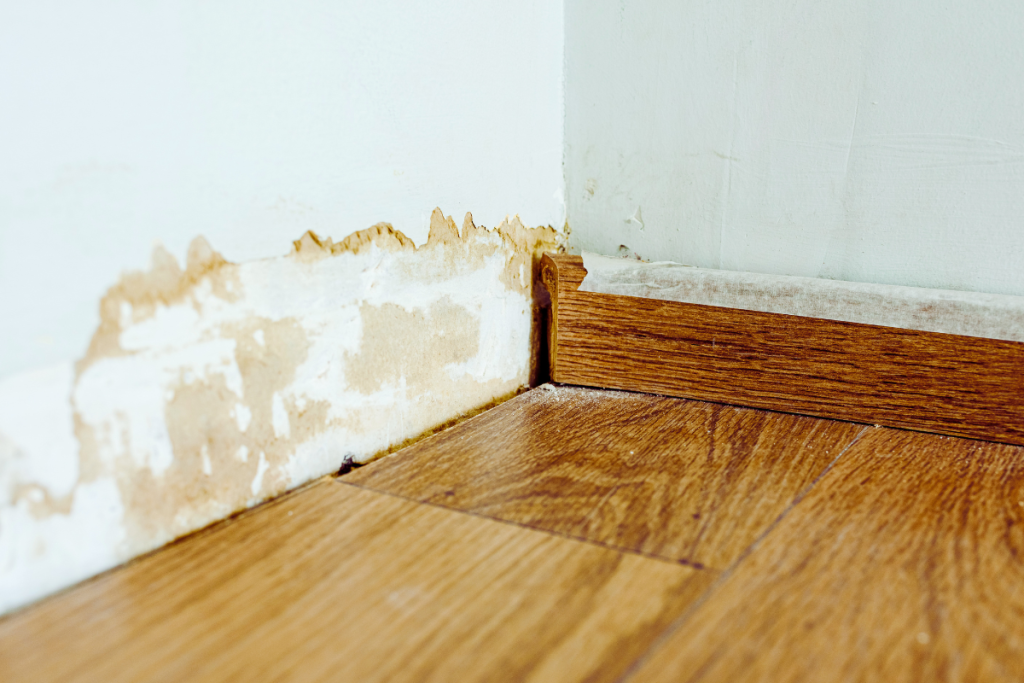
When moisture builds up behind painted surfaces, it prevents paint from properly adhering. Paint that bubbles, cracks, or peels away from walls may be reacting to water vapor coming through masonry or drywall. - Bubbling or Warping Drywall
Drywall is especially sensitive to moisture. Bulging, bubbling, or soft spots on walls can indicate that water is being absorbed from the inside out. - Visible Mold or Mildew
Forget musty smells that may indicate mold: visually observing it is another story. Mold thrives in damp environments and can appear as black, green, white, or gray patches. Even small spots should be taken seriously, as they typically suggest an ongoing moisture source rather than a one-time issue. - White, Chalky Residue On Walls (Efflorescence)
Efflorescence forms when water moves through concrete or masonry and leaves behind mineral deposits as it evaporates. While the residue itself isn’t harmful, it’s a clear sign that moisture is passing through your foundation walls. It is sometimes difficult to tell the difference between mold and efflorescence as well, so we highly recommend you call a professional out for evaluation. - Rusting Appliances or Metal Fixtures
Excess humidity can cause metal surfaces to corrode over time. Rust on furnaces, water heaters, shelving, or fasteners in lower levels can point to elevated moisture levels caused by water intrusion.
Spotting these signs early gives you a chance to address the root cause before it leads to more serious damage. If you notice one or more of these issues, it’s best to consult a professional so you can protect your home and avoid bigger problems down the road.
Get a Long-Term Solution From Us Basement Repair, Your Columbus Basement Waterproofing Experts
Stopping water from seeping through basement walls requires identifying the source, relieving pressure, and installing the right waterproofing system. If you’re dealing with basement leaks, US Basement Repair can help you find a customized, long-lasting solution. The rainy season is upon us in Columbus! Don’t wait until minor seepage turns into major damage. Contact us today to get started.