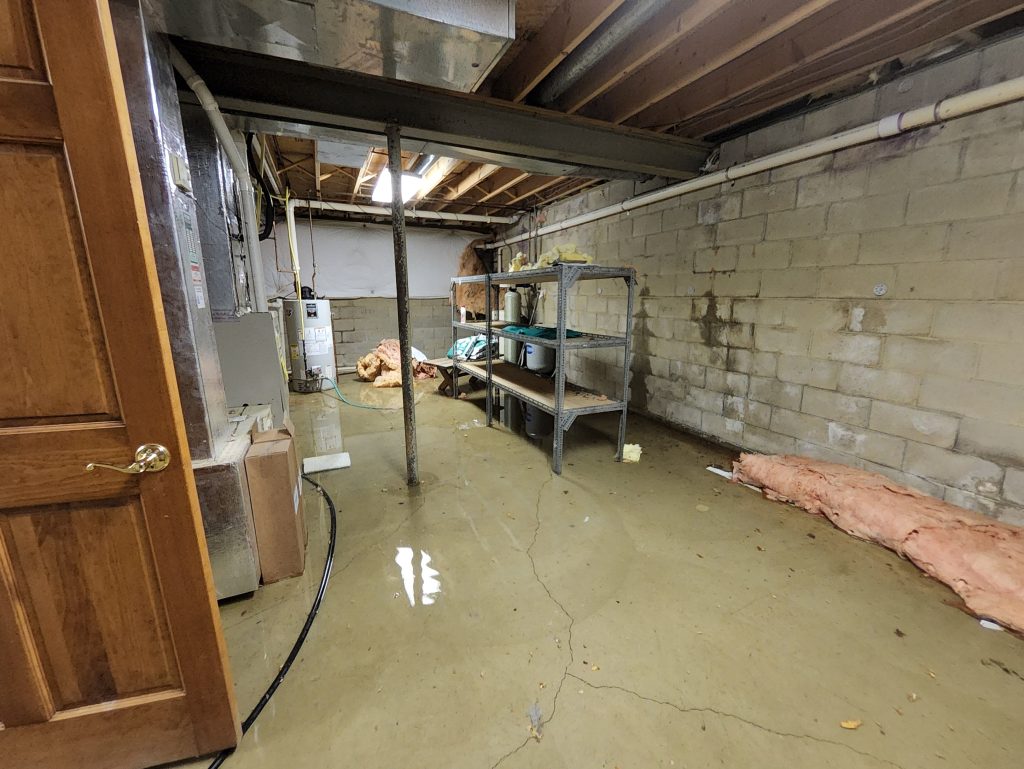
Finding water in your basement after a heavy rain is one of those homeowner moments that can make your stomach drop because it’s usually not just water. And if it sits, spreads, or keeps coming back, it can turn into costly basement water damage.
First, take a breath. A wet basement is stressful, but it’s also something you can take action on. The key is to handle the immediate issue safely, then figure out why the water got in so you can help prevent basement water damage from happening again every time Columbus gets hit with heavy rain.
US Basement Repair helps homeowners across Columbus and Central Ohio with basement waterproofing, wet basement repair, basement leak repair, sump pump issues, foundation cracks, drainage problems, and related repairs. As a family-owned company, our goal is simple: help you understand what’s going on, explain your options clearly, and recommend the right fix to protect your basement, your foundation, and your home.
What to Do Right Away if You Find Water in Your Basement
Step 1: Make sure the area is safe
Before you start moving boxes or stepping into standing water, make sure there’s no electrical risk. If water is near outlets, appliances, extension cords, a breaker panel, or anything plugged in, do not walk through it. Safety comes first.
If you are unsure whether the area is safe, stay out of the water and get professional help before going into the space.
Step 2: Move what you can out of the water
If it’s safe to enter the basement, move furniture, boxes, rugs, documents, electronics, and personal items away from the wet area. The faster you get belongings out of standing water, the better chance you have of limiting water damage in the basement.
This is also a good time to take photos. Pictures can help you remember where the basement water appeared, how far it spread, and whether it affected carpet, drywall, flooring, trim, stored items, or finished areas.
Step 3: Look for the obvious source
You don’t need to diagnose the whole problem yourself, but a quick look can help. Check around basement walls, floor cracks, window wells, the sump pump, exposed pipes, and the cove joint where the wall meets the floor. These are common places for basement water seepage to show up.
If water is coming from a wall crack, around a window, through the floor, or from the cove joint where the wall meets the floor, that is useful information to share when you call for help. It can also help an expert understand whether the issue may be tied to drainage, foundation movement, sump pump performance, or a waterproofing failure.
Step 4: Check the sump pump if you have one
If your home has a sump pump and it’s safe to check it, listen to see if the pump is running. A pump that is not turning on, running nonstop, or unable to keep up with incoming water may be part of the problem.
A sump pump can be a big part of a basement waterproofing system, but it’s not always the whole answer. If water is coming through walls, cracks, or the floor, the system around the foundation may also need attention. A working pump removes water from the pit, but it does not automatically solve every basement leak or stop water from damaging walls, flooring, or finished spaces.
Step 5: Don’t just dry it out and forget about it
This is the step many homeowners skip. They clean up the water, run fans, and hope it was a one-time thing. The problem is that basement water damage can start quietly, especially behind walls, under carpet, around trim, or inside stored boxes.
Sometimes this is a one-time issue. But if water found a way into your basement once, it can usually find that path again. A small basement leak can turn into repeated moisture, musty smells, mold concerns, damaged belongings, wet drywall, ruined flooring, and eventually more expensive repairs.
That does not mean you need to panic. It does mean your home is giving you a signal that something needs to be checked before a wet basement turns into a bigger water damage problem.
Why Heavy Rain Causes Basement Water Problems and Water Damage
During heavy rain, the soil around your home can become saturated. When that happens, water pressure builds up against the foundation. This pressure can push water through cracks, gaps, porous concrete, window wells, or weak points around the basement floor and walls. Once water gets inside, it can soak carpet, damage drywall, stain concrete, and create ongoing moisture problems.
In Central Ohio, homes can deal with a mix of heavy storms, changing seasons, older drainage systems, clay soil, and freeze-thaw cycles. Over time, those conditions can create or worsen water problems around the foundation. What starts as a small leak or damp spot can become recurring basement water damage if the source is not corrected.
Common causes of water in the basement after heavy rain include:
- Cracks in basement walls or floors that allow water seepage
- Water seeping through the cove joint where the wall meets the floor
- Sump pump failure or a pump that cannot keep up with heavy rain
- Clogged, damaged, or missing interior or exterior drainage systems
- Poor grading that sends storm water toward the house
- Downspouts draining too close to the foundation
- Window wells that fill with water and leak into the basement
- Bowing, shifting, or cracked foundation walls that let water in
The important thing to remember is that the right solution depends on the source of the water. A wet basement is not always fixed by one product, one patch, or one weekend cleanup. That’s why a proper inspection matters. US Basement Repair can look at where the water is entering, what damage has already happened, and what needs to be done to help keep it from coming back.
Signs Basement Water Damage Should Be Looked at Soon
Some water issues are obvious. Standing water in the basement after a storm is hard to ignore. But other signs of basement water damage build slowly and are easier to put off.
You should consider having your basement inspected if you notice:
- Water stains on basement walls, floors, carpet, or stored items
- A musty smell that does not go away
- White, chalky residue on concrete or block walls
- Peeling paint, damp drywall, soft trim, or warped paneling
- Mold or mildew growth
- Cracks in foundation walls or basement floors
- Bowing or leaning basement walls
- A sump pump that runs constantly during rain
- Water returning, puddles forming, or wet spots showing up after you already cleaned the area once
If you are in the “I know I have a water issue, but I will deal with it later” stage, this is your reminder that later usually does not make the problem smaller. Moisture problems tend to get worse with time, especially if water keeps collecting around the foundation. The sooner you understand where the basement water is coming from, the easier it becomes to protecting the space from more damage.
What Kind of Repair Might Be Needed?
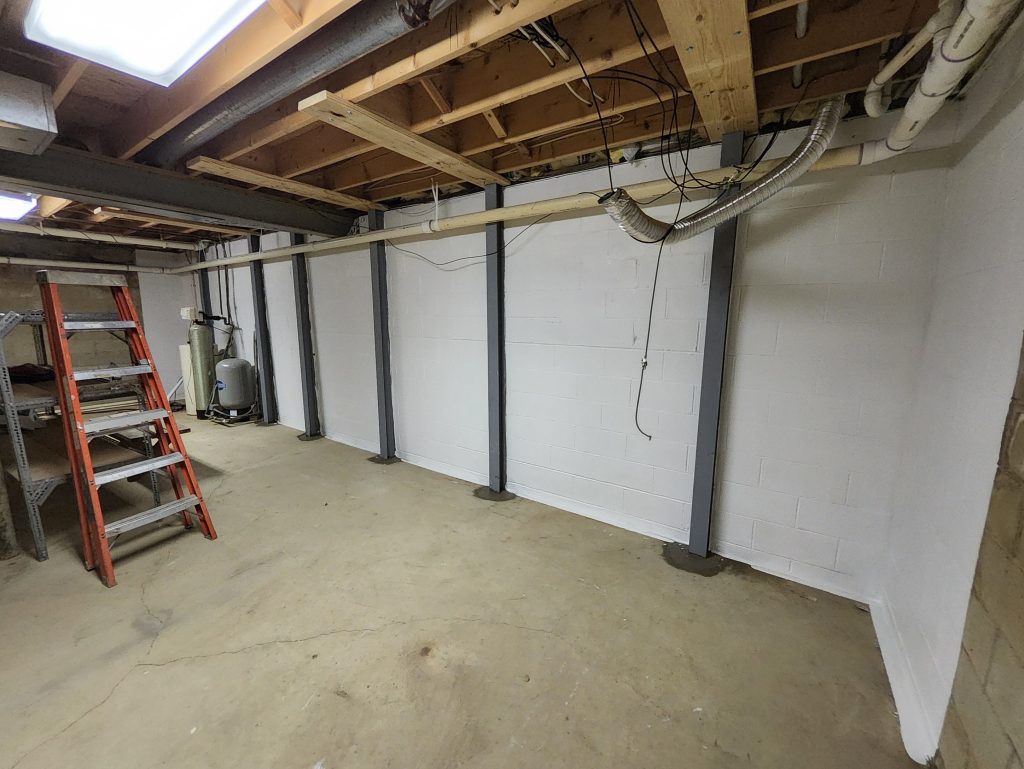
The best repair depends on where the water is coming from, how your home is built, and whether the basement has already been damaged by water. Some homes need crack repair. Others need a sump pump, French drain system, drainage extension, wall support, or a more complete basement waterproofing solution.
For example, if water is seeping through a wall crack, the repair may be different than if water is entering around the floor. If the issue is tied to outside drainage, extending downspouts or correcting yard drainage may be part of the fix. If a basement wall is bowing or cracking, the foundation itself may need to be evaluated. If finished walls, carpet, or flooring have been affected, it’s also important to stop the source before making cosmetic repairs.
We don’t believe in guessing. A homeowner should not have to know whether they need a sump pump, French drain, wall repair, or waterproofing system before they call. That’s our job to help figure out. US Basement Repair brings the experience to identify the source of basement water, explain the damage risk, and recommend the right next step.
Why Work With a Local Family-Owned Company?
When water is coming into your basement, you do not want a complicated sales process. You want someone to show up, look at the problem, explain what’s happening, and tell you what makes sense for your home. You also want someone who understands that basement water damage can feel overwhelming, especially when it affects finished space or personal belongings.
US Basement Repair is family-owned and based in Columbus, Ohio. We work with homeowners throughout Central Ohio, and we understand how stressful it can be to deal with a wet basement, basement leak, foundation issue, or water damage concern.
Our approach is straightforward. We inspect the home, identify the likely source of the water, explain the problem in plain language, and provide a complete estimate so you understand the recommended repair before making a decision.
We are not here to scare you. We are here to help you protect your home with practical, experienced basement waterproofing and repair solutions.
When Should You Call US Basement Repair?
Call us if you have active water coming in, recurring basement moisture, wet walls, a musty basement, basement water damage, foundation cracks, sump pump concerns, or water that returns after every heavy rain.
Even if you are not sure how serious the issue is, having it checked can give you peace of mind. Sometimes the fix is more straightforward than expected. Other times, catching the problem early can help prevent larger repairs, more water damage, and repeated cleanup later.
If you’ve found water in your basement after some recent storms, contact US Basement Repair to schedule a free estimate. We will inspect the issue, look for signs of basement water damage, talk through your options, and help you decide the right next step for your home.
Call US Basement Repair at 614-620-7862 or request a free estimate online.
FAQs About Water in the Basement After Heavy Rain
Is water in the basement after heavy rain an emergency?
It can be, especially if there’s standing water near electrical outlets, appliances, or a breaker panel. If the area is safe, you can begin moving belongings and documenting the issue. Either way, water in the basement should be taken seriously because it can point to drainage, waterproofing, sump pump, or foundation problems. It can also lead to basement water damage if the source is not addressed.
Why does my basement only leak during heavy rain?
Heavy rain can saturate the soil around your home and create pressure against the foundation. When enough water builds up, it may enter through cracks, weak points, window wells, porous concrete, or the area where the wall meets the floor. That is why some basement leaks only show up during storms or after several days of rain.
Can I fix a basement leak myself?
You may be able to clean up the water and reduce moisture with fans or a dehumidifier, but that does not usually solve the source of the leak. If water keeps coming back, it’s best to have the basement inspected so the real cause can be addressed before more water damage occurs.
What kind of basement water damage should I watch for?
Watch for wet carpet, damp drywall, peeling paint, swollen trim, water stains, musty odors, mold or mildew, damaged boxes, and water marks on concrete or block walls. Even if the surface looks dry later, repeated moisture can keep affecting the basement if the source of the leak is not fixed.
Does a wet basement always mean I have foundation damage?
Not always. A wet basement can be caused by drainage issues, a sump pump problem, wall cracks, window wells, grading, or foundation movement. An inspection can help determine whether the issue is simple, structural, related to waterproofing, or somewhere in between.
Do you help homeowners outside Columbus?
Yes. US Basement Repair serves Columbus and surrounding Central Ohio communities. If you are nearby and dealing with water in the basement, basement water damage, foundation concerns, or crawl space moisture, reach out and we can let you know how we can help.