Basement humidity is one of the most common and most overlooked issues homeowners face. Because basements sit below ground level, they naturally experience more moisture exposure from soil, groundwater, plumbing lines, and seasonal temperature shifts. If left unmanaged, basement humidity can lead to mold growth, foul odors, structural damage, and even health problems. Keep reading to learn more about what causes excess basement humidity, how to recognize a problem, and the steps you can take to keep your home dry and healthy.
What Causes High Basement Humidity?
Several factors contribute to elevated basement humidity, including:
- Poor ventilation: Basements rarely have adequate airflow, allowing moisture to build up.
- Groundwater infiltration: Moisture naturally moves through soil and concrete and can seep into walls or floors.
- Plumbing leaks: Dripping pipes or water heater leaks can dramatically increase humidity.
- Foundation cracks: Even hairline cracks allow moist air and water vapor to enter.
- Improper grading or drainage: When water pools around your foundation, humidity levels rise.
- Condensation: Cool basement surfaces cause warm, humid indoor air to condense on walls and pipes.
Why Basement Humidity Is a Problem for Homeowners
High humidity in basements can create multiple challenges:
- Mold and mildew growth
- Unpleasant musty odors
- Warped floors and damaged drywall
- Rusting appliances or HVAC equipment
- Higher energy bills as your HVAC works harder to remove moisture
- Potential structural deterioration over time
If ignored, humidity issues can spread to upper floors and impact indoor air quality throughout the home.
How to Tell if Your Basement Has a Humidity Issue
Watch for these common warning signs:
- Damp or clammy air
- Water droplets or condensation on windows or pipes
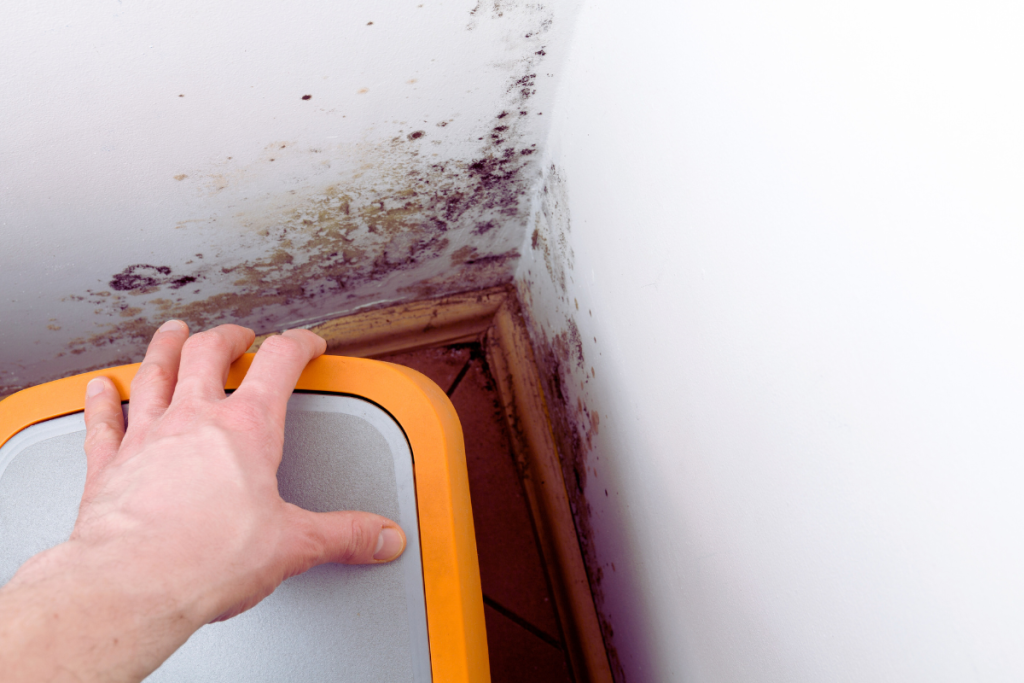
- Visible mold or mildew
- Peeling paint or efflorescence (white crust formed by salt crystals) on walls
- Musty smells
- Rusting appliances or tools
- Warped wood or soft drywall
Seasonal Factors That Affect Basement Humidity
Basement humidity is heavily influenced by the seasons:
- Spring: Melting snow and heavy rains raise groundwater levels.
- Summer: Warm, humid air enters the basement and condenses on cool surfaces.
- Fall: Cooler temperatures reduce humidity, but lingering moisture often remains.
- Winter: Indoor heating dries the upper levels of your home, but uninsulated basement walls can still trap moisture from snow and snowmelt.
Ideal Basement Humidity Levels In Winter
For winter months, experts recommend keeping basement humidity between 30% and 50%. Anything above 60% encourages mold, and anything below 30% can dry out wood, furniture, and even your skin, nails, and hair.
If your basement consistently stays above the 50% range in winter, moisture is likely entering through the foundation, cracks, or groundwater rather than from indoor air alone.
How to Measure Basement Humidity Accurately
The easiest and most accurate way to measure moisture is with a tool called a hygrometer. These inexpensive devices are available in hardware stores or online. For best results:
- Place the hygrometer away from vents and exterior walls.
- Check readings at different times of day for consistency.
- Compare levels throughout the year to watch for seasonal trends.
If the percentages are above the ideal range (50%), there may be water intrusion behind the walls. You will want to address this with a professional basement waterproofing company as soon as possible. Again, basement humidity is an issue year-round, so putting it off is not recommended.
Are There Health Risks Associated With High Basement Humidity?
Yes. High humidity can have many negative consequences on both physical and mental health.
Mold Growth (Most Significant Risk)
High humidity (generally above 60%) promotes rapid mold growth. Mold exposure can lead to:
- Allergies (sneezing, runny nose, itchy eyes)
- Asthma flare-ups
- Wheezing or difficulty breathing
- Chronic cough
- Headaches and fatigue
- Skin irritation
People with asthma, allergies, or weakened immune systems are at higher risk.
Dust Mites
Humidity above ~50% allows dust mites to thrive. These can trigger:
- Allergies
Asthma symptoms - Sinus irritation
Increased Airborne Irritants
Humid environments release more:
- Volatile Organic Compounds (VOCs) from building materials
- Odors from dampness and mold
These can irritate the eyes, throat, and lungs.
Bacterial Growth
Some bacteria thrive in damp environments and will start to break down organic material, like paper or wood. They may become airborne and breathed in, or a homeowner may inadvertently touch a bacterial colony and then rub the eyes or mouth. This may contribute to eye or respiratory irritation and even infections.
Mental Well-Being Effects
This may surprise some, but living with musty odors, visible mold, or persistent dampness can take a toll on mental health as well. Among other things, homeowners may experience:
- Interrupted sleep due to poor air quality
- Discomfort or reluctance to use parts of the home
- Feelings of being overwhelmed at the thought of having to deal with basement humidity or face hazardous materials
Best Ways to Reduce Basement Humidity
Lowering humidity usually requires a combination of repair and prevention:
Basement Waterproofing
Exterior or interior waterproofing systems keep groundwater from entering your basement. This includes drainage systems, sump pumps, vapor barriers, and sealing foundation walls.
Crack Repair
Foundation and wall cracks allow moisture to seep in. Professional crack repair seals these pathways and prevents future water intrusion.
Improve Grading and Gutters
Directing water away from the foundation is essential. This includes extending downspouts, cleaning gutters, and ensuring soil slopes away from your home.
Install a Dehumidifier
A high-capacity basement dehumidifier helps maintain ideal humidity levels, especially in summer.
Insulate Pipes and Walls
Insulation reduces condensation and helps regulate temperature.
Encapsulate Crawl Spaces
If your home has a crawl space connected to the basement, encapsulation prevents excess moisture from migrating upward.
Basement Waterproofing Columbus, OH
If basement humidity has become a problem in your home, US Basement Repair is here to help. Our experts provide comprehensive basement waterproofing, crack repair, drainage solutions, and moisture control services tailored to Ohio homes. Contact us today to discuss your waterproofing needs and start protecting your home, your health, and your investment.